
Abbotsford has a lot of basement suites that were built without permits. Some were finished decades ago by a previous owner, some were put together over a few weekends with no drawings and no inspections, and some came with the house — the buyer inherited a tenant, a second kitchen, and a legal question nobody asked at closing. If that describes your situation, you have two real options: remove the suite or legalize it. Legalizing means bringing the suite up to current BC Building Code and City of Abbotsford requirements through a permit-after-the-fact process — the same permit system as a new suite, applied to work that already exists. This guide walks through how the City finds unpermitted suites, what happens next, the step-by-step process, the deficiencies inspectors find most, and what it costs.
The short version: expect a permit-after-the-fact application, as-built drawings ($1,500–$4,000), inspections, and fixes for the usual deficiencies — egress, interconnected smoke and CO alarms, fire separation, and ceiling height. All-in, most legalizations land in the $5,000–$25,000+ planning range. Requirements change, so confirm the current rules with the City of Abbotsford before you start.
1. How the City Finds Out About Unpermitted Suites
Nobody at the City is driving around with a suite detector. Unpermitted suites come to light through ordinary channels:
- Complaints. Parking disputes, noise, garbage — a neighbour’s complaint about one thing often leads an inspector to discover the suite.
- Rental advertising. A suite listed online with an address the City has no record of is easy to find.
- Insurance claims. A fire or flood claim in an unpermitted suite gets complicated fast, and the insurer’s questions can surface the suite’s status.
- Resale. Buyers, home inspectors, and lawyers increasingly ask whether a suite is registered. A sale is the most common moment an unpermitted suite gets discovered by its own owner.
- Utility and assessment records. Unusual utility patterns or assessment data can prompt a closer look.
The pattern is consistent: the suite is fine until something else draws attention to the property. That is worth knowing, because legalization on your own timeline is cheaper and calmer than legalization under a compliance order with a deadline.
2. What Happens After the City Finds One
When the City confirms a suite exists without permits, the typical sequence is an inspection followed by a written order to comply. The order lays out your options and a timeline. In practice, those options are:
- Legalize the suite — apply for permits after the fact and bring it up to code.
- Remove the suite — decommission it so the space no longer functions as a separate dwelling, which generally means removing the second kitchen and restoring the space to single-family use.
Enforcement typically starts with orders and timelines, not fines — but ignoring an order is where penalties enter the picture, and the City’s enforcement tools are real. Do not rely on this paragraph for legal advice; if you have received an order, read it carefully and talk to the permit office about your specific timeline.
One thing owners often ask: the City is generally more interested in getting the suite safe and compliant than in punishing you for how it got built. Inspectors have seen every version of this. Calling the permit office yourself, before a complaint forces the issue, puts you in the strongest position.
3. The Legalization Process, Step by Step
Legalizing an existing suite follows the City’s normal permit process, with one twist: the work is already done, so everything gets verified retroactively.
Step 1 — Talk to the permit office first. Before you hire anyone, ask what the current secondary suite requirements are and what a permit-after-the-fact application needs. Requirements change, and a ten-minute conversation at the start beats a rejected application later. This is also the moment to ask about zoning — most single-family zones in Abbotsford allow a secondary suite, but confirm your property qualifies.
Step 2 — Get as-built drawings. You will need drawings showing the suite as it exists: floor plans, the separate entrance, ceiling heights, window sizes and locations, heating, plumbing, and electrical. A designer or draftsperson familiar with Abbotsford permits typically charges $1,500–$4,000 for this, depending on complexity. If the suite needs significant changes, the drawings will show the proposed fixes too.
Step 3 — Apply for the permit after the fact. The application, drawings, and fee go in together. Because the work exists, the City reviews it the way it would review proposed work — against current code, not the code from the year the suite was built. That surprises owners: a suite that was “fine” in 1998 gets judged by today’s requirements.
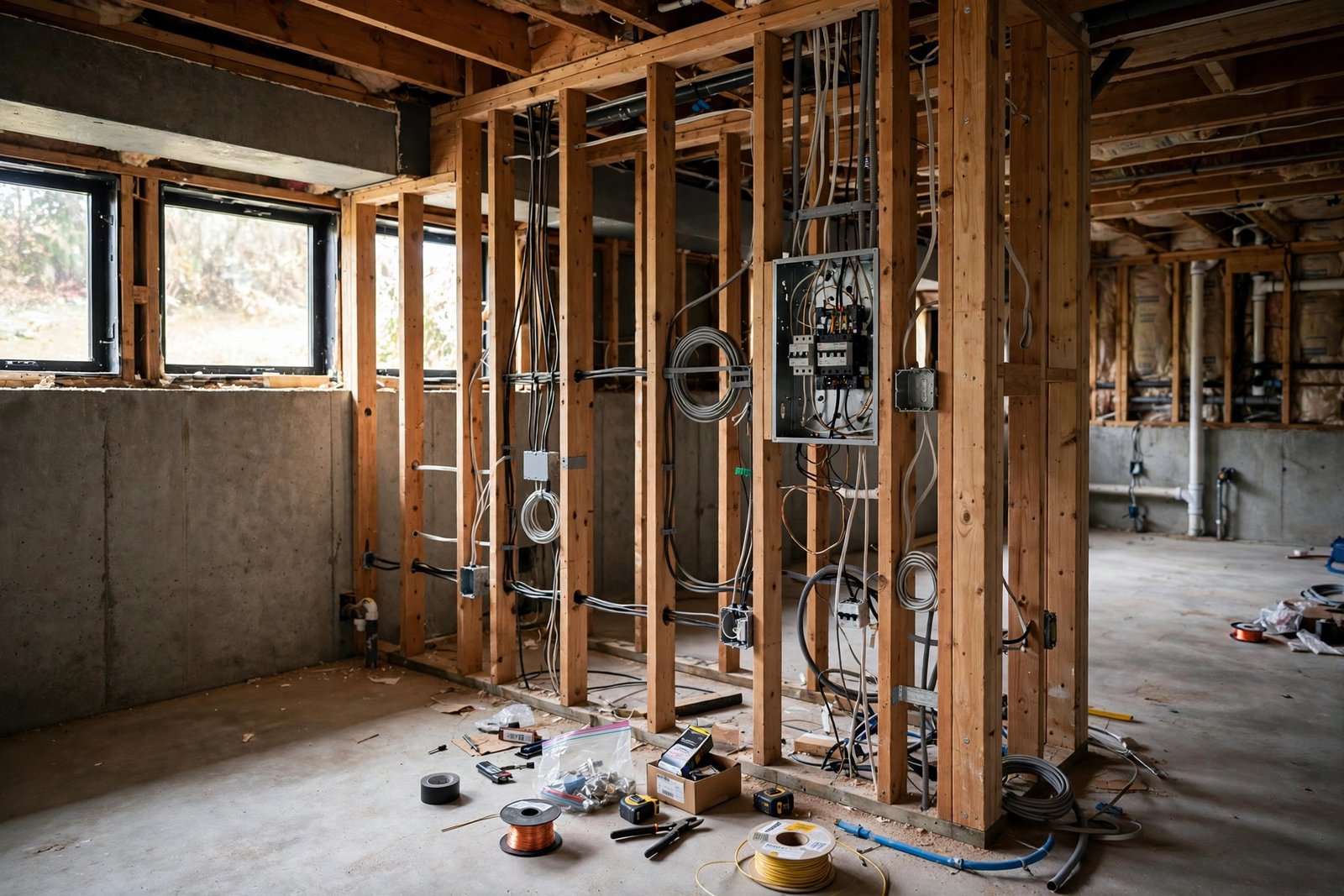
Step 4 — Inspections. Expect the inspector to verify what is behind the finished surfaces. That can mean opening sections of drywall to check framing, fire-stopping, insulation, and wiring. Yes, this means cutting into a finished basement. Budget for the patching.
Step 5 — Fix the deficiencies, re-inspect, and close the permit. Each round of fixes gets inspected. When everything passes, the permit is closed and the suite is legal — registered, rentable, and insurable without asterisks.
If you are comparing this to building a suite from scratch, our basement suite permit steps guide covers the new-construction sequence, and our legal suite requirements guide lists the code requirements in checklist form.
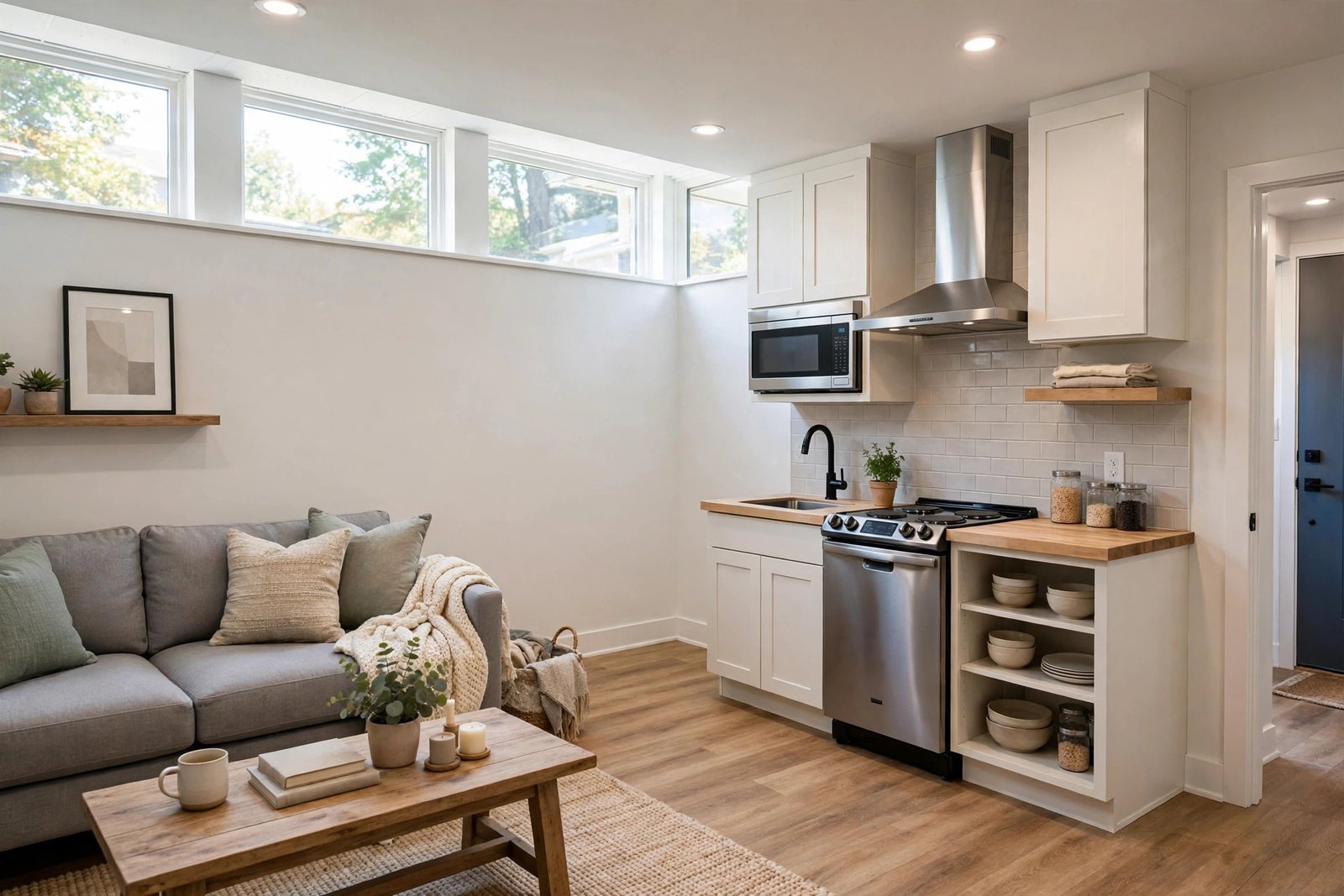
4. The Deficiencies Inspectors Find Most
Unpermitted suites tend to fail in the same places. These are the fixes to budget for, roughly in order of how often they come up:
| Deficiency | What the fix looks like | Typical planning range |
|---|---|---|
| Egress from bedrooms | Bedroom windows must be large enough and low enough for escape, or the bedroom needs a door directly outside. Cutting in a code-compliant egress window means excavation, a window well, and drainage. | $3,000–$7,000 per window |
| Smoke and CO alarms | Interconnected smoke alarms and carbon monoxide alarms, typically hardwired with battery backup, so one alarm triggers them all. | $500–$1,500 installed |
| Fire separation | Rated separation between the suite and the rest of the house — usually upgraded drywall on the suite ceiling, fire-stopping at every pipe and wire penetration, and rated doors where required. | $2,000–$8,000 |
| Ceiling height | The Code sets minimum ceiling heights for dwelling units. Low basements sometimes need the floor lowered or the space reconfigured — the expensive end of this fix. | $1,000–$10,000+ |
| Heating and ventilation | A proper heat source for the suite and adequate ventilation — space heaters and hope do not count. | $1,500–$5,000 |
| Electrical | Dedicated panel or sub-panel space, arc-fault protection where required, proper kitchen and bathroom circuits, no extension-cord wiring. Older DIY electrical is the most common scary find. | $1,500–$5,000 |
| Plumbing | Proper drainage, venting, and shut-offs; unvented basement bathrooms are a classic unpermitted-suite feature. | $1,000–$4,000 |
Two notes on this table. First, these are planning ranges for the fix alone — they assume reasonable access and no structural surprises. Second, the ceiling height row has the widest range for a reason: most suites pass or need minor work, but a basement that is genuinely too low can turn legalization into a major project. Measure your ceiling height before you spend money on drawings.
5. What Legalization Costs, All In
Add it up and most Abbotsford legalizations fall into three bands:
- Light touch ($5,000–$10,000): the suite is close to compliant — alarms, minor electrical corrections, a door upgrade, permit fees, and drawings. This is the best case and it is real, but it is not the average case.
- Typical ($10,000–$20,000): drawings, permit fees, one egress window, alarm system, fire separation upgrades, and electrical or plumbing corrections. This is where most 1990s and 2000s DIY suites land.
- Heavy ($20,000–$35,000+): multiple egress windows, ceiling height remediation, full electrical rework, or significant fire separation reconstruction. At this level, get competing quotes and make sure the rental math still works.
Permit fees themselves are a smaller line item — typically in the $500–$2,000 range depending on project value — but they are non-negotiable, and skipping them is what started this whole process.
6. Legalize or Remove? Running the Numbers
The decision is financial as much as legal. A legal suite in Abbotsford rents for real money — run the current numbers in our basement suite rental income guide — and a $15,000 legalization against a suite renting for $1,400 a month pays for itself in under a year. An illegal suite, meanwhile, rents at a discount to its risk: one complaint, one claim, or one sale can end the income overnight.
Removing the suite is the alternative. Decommissioning generally means removing the second kitchen (cooking facilities are what make it a separate dwelling), capping the plumbing and gas, and restoring the space — typically $3,000–$8,000 depending on how much has to come out and be patched. It is cheaper than legalization, but it permanently gives up the rental income and the property value a legal suite adds.
The math that matters: legalization cost versus years of legal rental income, plus the value a registered suite adds at resale. For most owners who want to keep renting, legalization wins — as long as the suite can physically meet code. A basement with 6-foot ceilings and no path to egress is the exception that proves the rule.
A related note: if you are considering converting a garage into living space instead, the permit path is different — our garage conversion permit guide covers that process.
7. Keep the Paperwork
When the permit is closed, keep everything: the as-built drawings, the permit card, every inspection report, and receipts for the deficiency work. This file is what you show a buyer, an insurer, or a future tenant who asks whether the suite is legal. It is also what protects you if a question comes up years later. A legal suite with no paperwork is only slightly better than an illegal one with a good story.
Frequently Asked Questions
How much does it cost to legalize a basement suite in Abbotsford?
Most legalizations land in the $5,000–$25,000+ planning range. Drawings run $1,500–$4,000, permit fees $500–$2,000, and the deficiency fixes — egress windows ($3,000–$7,000 each), alarm systems ($500–$1,500), fire separation ($2,000–$8,000), electrical and plumbing corrections — make up the rest. Suites close to compliant land at the bottom; suites needing ceiling or structural work land at the top.
Can I be fined for having an unpermitted suite?
Enforcement typically starts with an inspection and a written order to comply, not a fine. The order gives you options — legalize or remove — and a timeline. Fines and stronger enforcement tools come into play if an order is ignored. If you have received an order, read it carefully and talk to the permit office about your timeline rather than relying on general guidance.
How long does the legalization process take?
Plan on two to four months from first conversation to closed permit for a straightforward legalization — drawings, application review, inspections, and one or two rounds of fixes. Complex cases with structural or ceiling-height work take longer. Contractor availability is often the longest variable; book the deficiency work early.
Can I get a permit for work that is already finished?
Yes — that is exactly what a permit-after-the-fact is. The City reviews the existing work against current code, inspects it (including opening walls to verify what is behind the finishes), and you fix whatever does not comply. The existing work gets no credit for being old; it is judged by today’s requirements.
Does my suite need its own entrance?
Generally, yes — a separate entrance is a standard requirement for a legal secondary suite, along with the suite being a self-contained dwelling unit with its own kitchen and bathroom. Confirm the current entrance and layout requirements with the City of Abbotsford, as details change.
Will legalizing my suite raise my property taxes?
It can. A legal, rentable suite can increase your property’s assessed value, which flows through to property taxes. Many owners find the rental income far outweighs the tax difference, but it is worth modelling — BC Assessment values are public, and you can check comparable assessed values for homes with and without registered suites.
Start at the Permit Counter, Not With a Contractor
The owners who get through legalization cheapest are the ones who walk into the permit office first, learn exactly what their suite needs, and then hire contractors to do that specific work. The expensive route is hiring a contractor to guess, failing inspections, and paying twice. The City’s staff do this every week — use them.
All costs in this article are 2026 BC planning ranges, not quotes. Suite requirements and bylaws change — confirm current rules with the City of Abbotsford before starting work.