
Fence installation cost in BC is quoted in a way almost no other project is.
Dollars per linear foot. That is the whole conversation with most contractors. You hand them the measurement. They do the multiplication. The number lands on the page, simple in theory. Except that per-foot number hides nearly everything that matters. Post spacing. Footing depth. Whether the old fence gets hauled away. Whether the ground is flat, or sloped, or full of rock. Two neighbours on the same street in Abbotsford can pay forty percent apart for what looks like the same fence. The difference is never the pickets. It is everything underneath and around them.
This guide breaks down new fence cost in BC for 2026, material by material, so the per-foot quote you get makes sense before you sign anything.
The short version: a cedar privacy fence runs $55–$95 per linear foot installed in 2026. Vinyl runs $75–$115. Chain link runs $25–$45. Ornamental metal runs $90–$150. Gates, demolition and sloped ground push individual quotes outside these bands.
Fence Installation Cost in BC by Material
| Fence material | Typical height | 2026 installed range per linear foot |
|---|---|---|
| Chain link, galvanized | 4–5 ft | $25–$45 |
| Pressure-treated pine board | 6 ft | $50–$80 |
| Cedar privacy board | 6 ft | $55–$95 |
| Horizontal-slat cedar | 6 ft | $70–$105 |
| Vinyl privacy | 6 ft | $75–$115 |
| Ornamental aluminum or steel | 4–6 ft | $90–$150 |
These are full installed prices. Materials, posts, concrete footings, labour, the works. What they do not include is the old fence. Removal and disposal of an existing fence usually adds $5–$12 per foot, and contractors in the Valley quote it as a separate line because some homeowners do the teardown themselves over a weekend to save it. Worth doing if you have the time and a truck. Not worth doing in the rain, which is half the year here, so plan accordingly.
What a Linear Foot Actually Pays For
A per-foot price is a bundle. Unbundle it once and every quote gets easier to read.
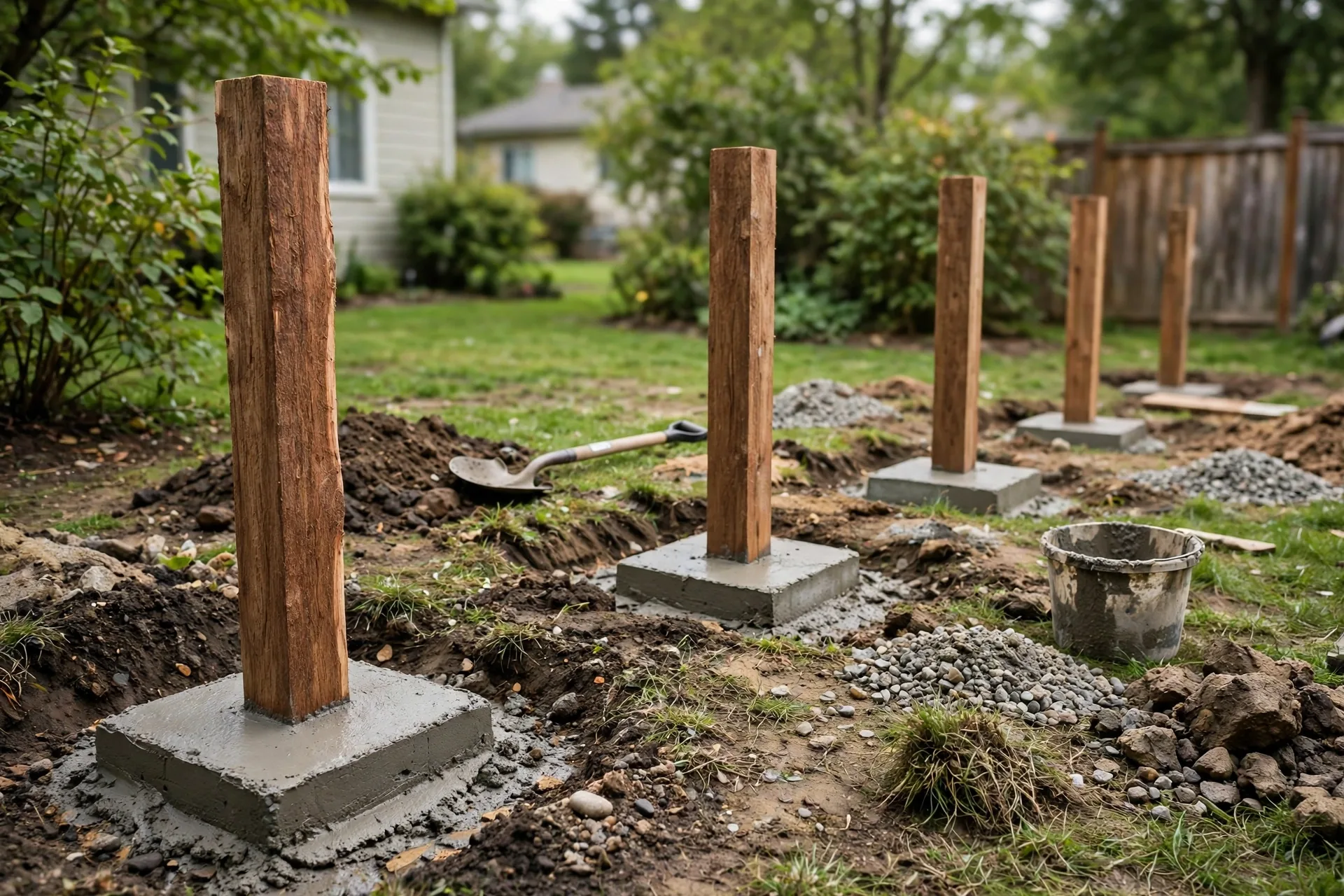
Posts. The skeleton. In BC, that means pressure-treated 4x4s or 6x6s. Set them in concrete, six to eight feet apart, with each concrete footing below the frost line. The Fraser Valley barely freezes hard. So footings here run shallower than anything they would pour in the Interior. A post set in dirt instead of concrete will lean within a few wet winters. Ask any contractor how deep the footings go. The answer tells you most of what you need to know about the quote.
Rails and pickets. Two or three horizontal rails, then the boards go on. Cedar costs more than pressure-treated pine. It looks better doing it, which is why cedar dominates residential fencing from Langley to Chilliwack. The gap has been narrowing for years now, and these days it barely registers. Most homeowners take the cedar these days. Especially when the pine quote lands within ten dollars a foot.
Fasteners and caps. Stainless or coated screws. Post caps. Sometimes a top rail. Small money overall. Exactly why a cheap quote quietly downgrades this line first. Build with bargain fasteners in coastal BC rain, and the fence will show rust streaks by year three.
Gates. Always separate. One walk gate? That adds roughly $400–$700, installed. A double drive gate runs $900–$1,800. Width and hardware decide where in that range you land. Self-closing hinges and latches for pool-adjacent gates cost more, and they’re worth every dollar if kids use the yard.
The quiet half of every per-foot number is the labour. Fence crews run small. The work is physical, and a straight fence on uneven ground takes real skill. The quote with the shallowest footings is usually the cheapest per-foot one.
Height Changes Everything
A six-foot privacy fence is the default in BC backyards. It is also the most expensive common option, because every extra foot of height means longer posts, deeper footings, more pickets and more wind load on the whole structure. A four-foot picket or rail fence in the same material can run thirty to forty percent less per foot.
Height also decides whether the municipality cares. Most BC municipalities cap front-yard fences around four feet. Six to seven feet is allowed in side and rear yards. Corner lots get extra rules. A tall fence near the intersection can block sightlines. The exact limits differ from town to town. So does enforcement. Check with your municipality before you build, rather than after a neighbour complains. A fence that has to come down and be rebuilt at a legal height is the most expensive fence of all.
Taller than standard is possible. Seven and eight-foot fences exist, usually with stepped or lattice tops. They cost disproportionately more. The engineering of the posts changes completely at that height. Anything above the usual backyard height? Have that conversation with your municipality directly, before anything else.
The Shared Fence Conversation
Half the fences in the Fraser Valley sit on a property line. Half the fences in the Fraser Valley sit on a property line, and half of those end up as a negotiation. The etiquette around it stays simple, and almost everyone follows it. Talk to the neighbour first. Agree on the design and the split. Get it in writing. For a straightforward replacement where both sides benefit, fifty-fifty is the norm. When one side wants cedar and the other would be happy with the leaning wreck that is there now, the split gets creative. The side that wants the upgrade often pays more than half. That is normal and fair.
Three things stop most shared-fence disputes before they start.
First, get both sides agreeing on the finished look. A “good neighbour” style with boards on both sides costs slightly more than a one-sided fence and eliminates the argument about who gets the pretty face. Worth it every time.
Second, confirm the property line. Fences get built in the wrong place constantly, usually by a foot or two, usually discovered during a sale. A survey costs real money. Rebuilding one on the wrong side of the line costs more than the survey ever would. If either neighbour is uncertain where the line is, sort it out. Before the first post hole is dug.
Third: settle maintenance before anyone signs anything. Who stains it. Who pays when a windstorm takes down a section in five years. One page, written, signed by both sides, turns a future argument into a reference document.
A neighbour refuses to contribute? You can still build on your own side of the line, at your own cost. It happens. It is not the outcome anyone wants, but a fence you paid for alone beats a fence that never gets built.
Wood vs Vinyl Over Twenty Years
Upfront, wood wins on price. Over two decades, the math gets closer than people expect.
| Factor | Cedar | Vinyl |
|---|---|---|
| Installed cost per foot | $55–$95 | $75–$115 |
| Lifespan in coastal BC | 15–20 years | 25–30+ years |
| Maintenance | Stain or seal every 2–4 years | Occasional wash |
| 20-year maintenance spend | $15–$30 per foot, roughly | Near zero |
| Storm damage | Boards replaceable individually | Panels crack, replace whole sections |
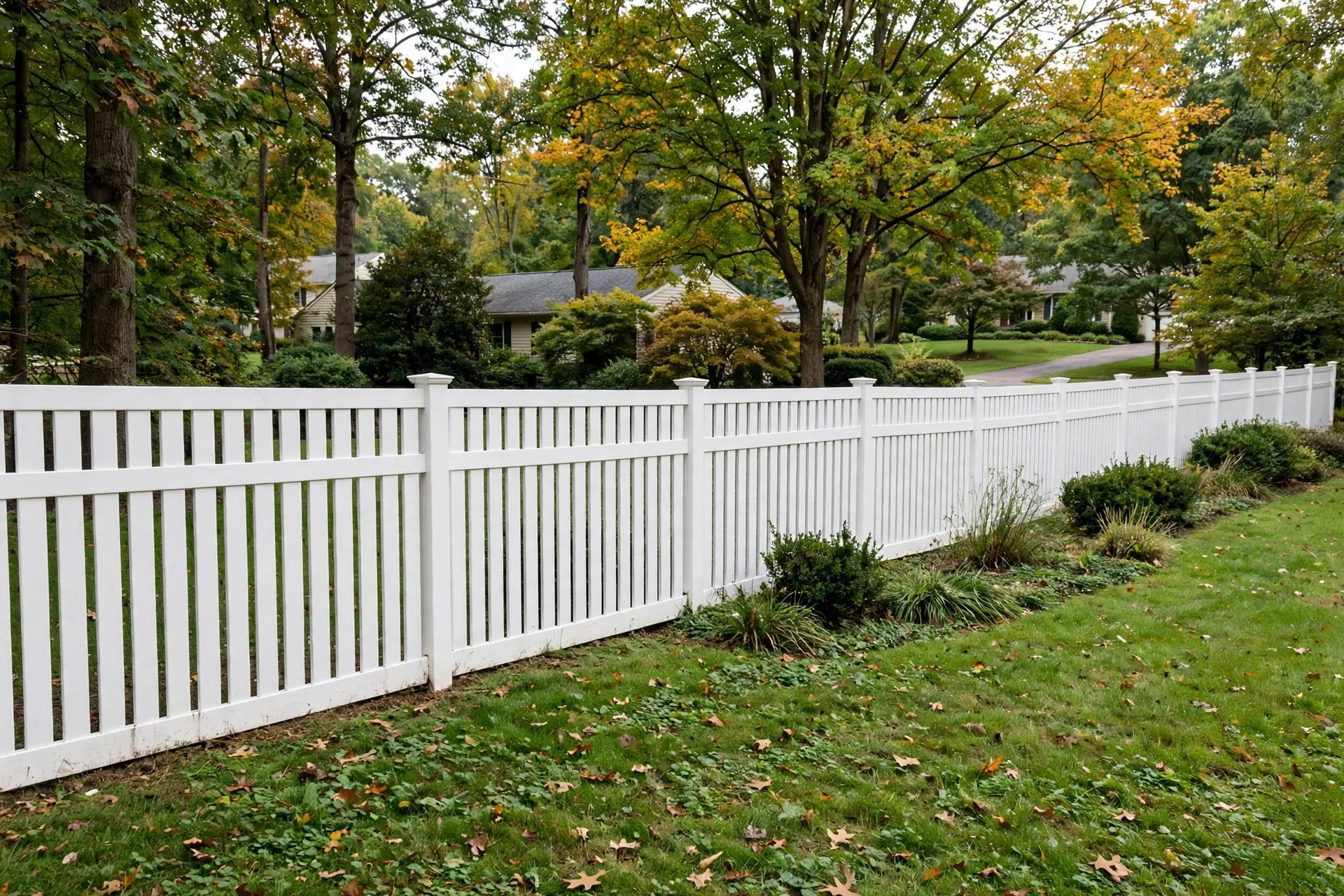
Left unstained, cedar in the Valley ages to silver-grey. Some homeowners love that. Strata councils do not share that fondness. Vinyl never needs staining and never rots. But a cracked panel in year twelve? You replace a full section, not a board. Both choices work. The mistake is looking at the installed price alone and skipping the maintenance column.
One more cost for the long view. The other big backyard structure is covered in our deck building cost guide for Abbotsford. Both projects draw from the same contractor pool. So booking fence and deck work with one crew sometimes trims the combined labour.
Getting Quotes That Compare Properly
Fence quotes are easy to compare badly. Three numbers on three pieces of paper. Different materials buried in the fine print. The cheapest one missing the old-fence removal. Put every quote on the same terms. Same material. Same height. Same post spacing. Same footing depth. Demolition listed separately, gates itemized. Then the per-foot numbers mean something.
Timing matters in BC. Fence contractors book out in spring, which is when everyone looks at their yard and winces. Late fall quotes are often keener, and winter installation is perfectly fine here since the ground rarely freezes hard. The crew will be muddy. The fence, at least, will be straight.
And when the project touches the front of the property, the driveway side, or a retaining situation with the fence sitting on a wall, the groundwork overlaps with other trades. Our concrete driveway cost guide for BC is worth a read if the fence line runs anywhere near new concrete, because the order of operations matters.
Frequently Asked Questions
How much does fence installation cost in BC per linear foot?
For 2026, think $55–$95 per linear foot for cedar privacy. Vinyl lands at $75–$115. Chain link at $25–$45. Ornamental metal at $90–$150. All installed. Old fence removal typically adds $5–$12 per foot, and gates are quoted separately at roughly $400–$700 for a walk gate. Sloped ground, rock and long gate spans push quotes above these bands. These are 2026 BC planning ranges. Not quotes.
Do I need a permit for a fence in BC?
For a standard residential fence at normal heights, usually not. Height limits, front-yard rules and corner-lot sightline requirements vary by municipality. Some towns require permits for fences above a certain height, or near watercourses. Check your municipality before building. It takes one phone call and prevents the expensive kind of surprise.
How much should a neighbour pay for a shared fence?
For a basic replacement that benefits both properties, the standard split is fifty-fifty. The split often shifts when one neighbour wants a nicer material, or a taller fence than the other needs. The keener party covers the difference. Get the design, the cost split and the maintenance plan in writing. Before work starts.
How long does a cedar fence last in BC?
Fifteen to twenty years is the range, with reasonable care in the Fraser Valley climate. Rain is the enemy here, not the cold. Boards in constant ground contact or buried in garden beds rot first. That is why the bottom board should sit slightly above grade. Stain it every two to four years and you add years to the lifespan.
Is vinyl or wood cheaper over twenty years?
Closer than the installed prices suggest. Vinyl costs $20–$40 more per foot upfront. Needs almost no maintenance, though, while cedar needs staining every few years at real cost. Give it twenty years and the totals often land within a few dollars per foot of each other. Choose on looks. And on your tolerance for maintenance. Not on the installed price alone.
Planning a New Fence in the Fraser Valley?
Start at the property line, with the neighbour conversation. Then get three quotes on identical specs. That way the per-foot numbers actually compare. Before anyone digs, confirm the height rules with your municipality. Decide on the long-term maintenance you will actually follow through on. Itemize gates and demolition separately. Nothing should hide in the per-foot price. Want a realistic read on fence installation cost in BC for your specific lot? Call us at (236) 613-0038. We will talk through the material, the ground conditions and an honest budget range.