
Step out of the shower onto a warm tile floor on a January morning in Abbotsford and you will wonder why every bathroom isn’t built this way. Radiant heated floors are one of those upgrades that sound like a luxury until you live with one — then they just feel like how floors should work.
Here is the straight answer for 2026: radiant floor heating in BC typically costs $8–$17 per square foot installed, depending on whether you choose electric or hydronic. A single bathroom runs $600–$1,600 including the heating system; a whole-house hydronic system can reach $13,000–$43,000 once the boiler is included.
This guide compares electric and hydronic systems honestly, breaks down 2026 installed prices by room, covers operating costs in BC’s climate, and explains which flooring works on top. Let’s get into it.
Disclaimer: All prices in this guide are 2026 planning ranges for BC, based on published North American market data. Electrical work, boiler sizing, and floor build-up vary by home. This guide is for planning purposes only, not a quote.
Radiant Floor Heating Costs in BC at a Glance
| System type | 2026 installed cost per sq ft | Best for |
|---|---|---|
| Electric (mats or cables) | $8–$15 | Single rooms — bathrooms, kitchens, entries |
| Hydronic (hot water tubing + boiler) | $7–$17 per sq ft, plus $3,200–$9,000 for the boiler | Whole-house or large areas (500+ sq ft) |
The core trade-off is simple: electric is cheaper to install and more expensive to run; hydronic is expensive to install and cheaper to run. Electric wins for one bathroom. Hydronic wins for a whole house. Between those extremes, the math deserves a real look.
Electric Radiant Heating: $8–$15 per Sq Ft Installed
Electric systems are beautifully simple: thin heating mats or cables laid directly under the finished floor, wired to a dedicated thermostat. No boiler, no plumbing, no mechanical room. Installation runs $8–$15 per square foot, which makes electric the default choice for single rooms.
Real-world numbers: a typical 40 sq ft bathroom costs $300–$700 for the heating system alone, or $600–$1,600 with new tile included. A 160 sq ft kitchen runs roughly $1,100–$2,700 for heat, more with flooring.
The catch is operating cost. Electricity in BC is reasonably priced by Canadian standards, but resistance heating is still the most expensive way to make heat per unit of energy. That is fine for a bathroom floor on a timer — warming up for your morning shower, then off all day. It is a terrible idea for whole-house heating, where the monthly bills would dwarf any installation savings. Electric earns its place in rooms you heat on a schedule, not across a house running around the clock.
Installation notes: electric systems need a dedicated circuit, so an electrician is part of the job. In a bathroom renovation, the mat goes down the same week as the tile — which is exactly why heated floors are cheapest when bundled into a remodel rather than retrofitted later.
Hydronic Radiant Heating: $7–$17 per Sq Ft Plus Boiler
Hydronic systems circulate hot water through PEX tubing embedded in the floor, fed by a boiler, water heater, or heat pump. The tubing itself costs $7–$17 per square foot installed; the heat source adds $3,200–$9,000 for a boiler (a dedicated hot water heater for a small 1–2 room system can be as little as $600–$3,100).
All in, a whole-house hydronic system for a 1,500–2,000 sq ft home typically lands between $13,700 and $43,000 — which is why hydronic is overwhelmingly a new-build or major-renovation choice, not a retrofit. Tearing up finished floors to embed tubing, plus the concrete topping or panel system to carry it, adds 50–80% to the cost versus installing during construction.
Where hydronic shines is operating cost. Heating water with natural gas or a high-efficiency boiler costs far less per unit of heat than electric resistance, and the system’s thermal mass means it cycles gently instead of blasting. For a whole house in the Fraser Valley — where winter lows hover around freezing rather than plunging — a well-designed hydronic system is quiet, even, and economical to run.
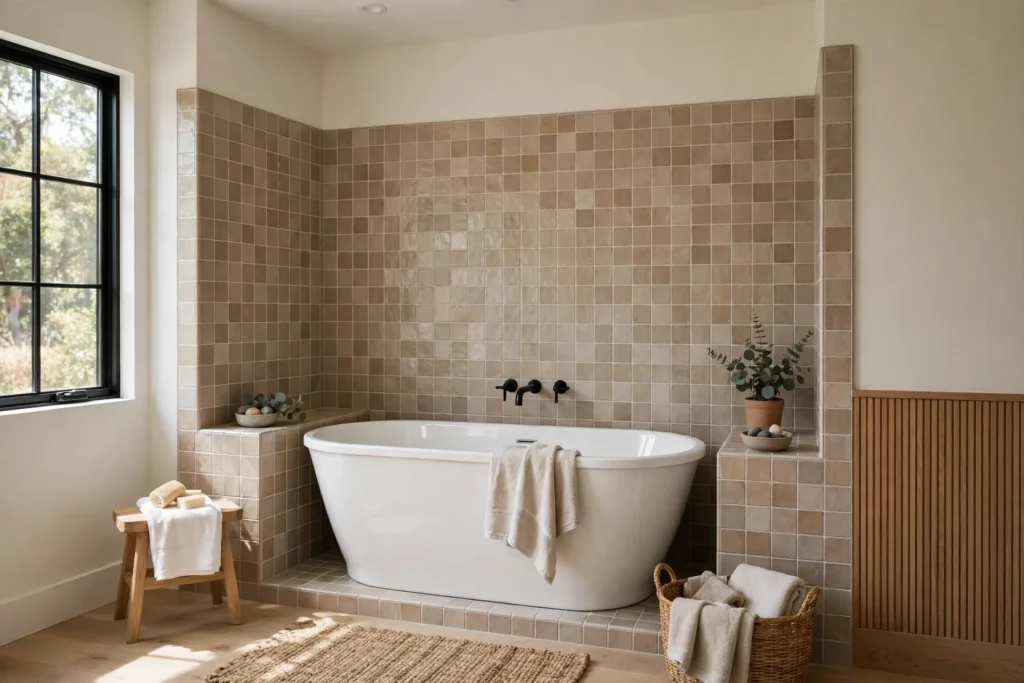
Best Rooms for Heated Floors (and Where to Skip Them)
Not every room deserves radiant heat. Here is where the money is well spent:
- Bathrooms — the #1 choice. Cold tile is the complaint that sells the system. Small area, huge comfort payoff, modest cost. If you do one room, make it the ensuite.
- Basements — the smart second choice. Basement slabs are the coldest floors in any Fraser Valley home, and a finished basement with warm floors feels twice as livable. Our basement flooring guide covers which floor coverings pair best with radiant heat down there.
- Kitchens and mudrooms. Tile or stone entries that greet you with warmth on a wet November morning — very livable, moderate cost.
- Whole main floor (hydronic, new build). The gold standard for comfort, but only sensible when the floors are already coming up.
Where to skip: bedrooms with carpet (the carpet insulates you from the benefit), rooms you rarely use, and anywhere the flooring is staying put — retrofitting heat under an existing floor you are not replacing rarely pencils out.
What Flooring Works Over Radiant Heat
The heating system and the finished floor are a package deal. Heat has to travel through the flooring to reach you, so conductivity matters:
| Flooring | Compatibility | Notes |
|---|---|---|
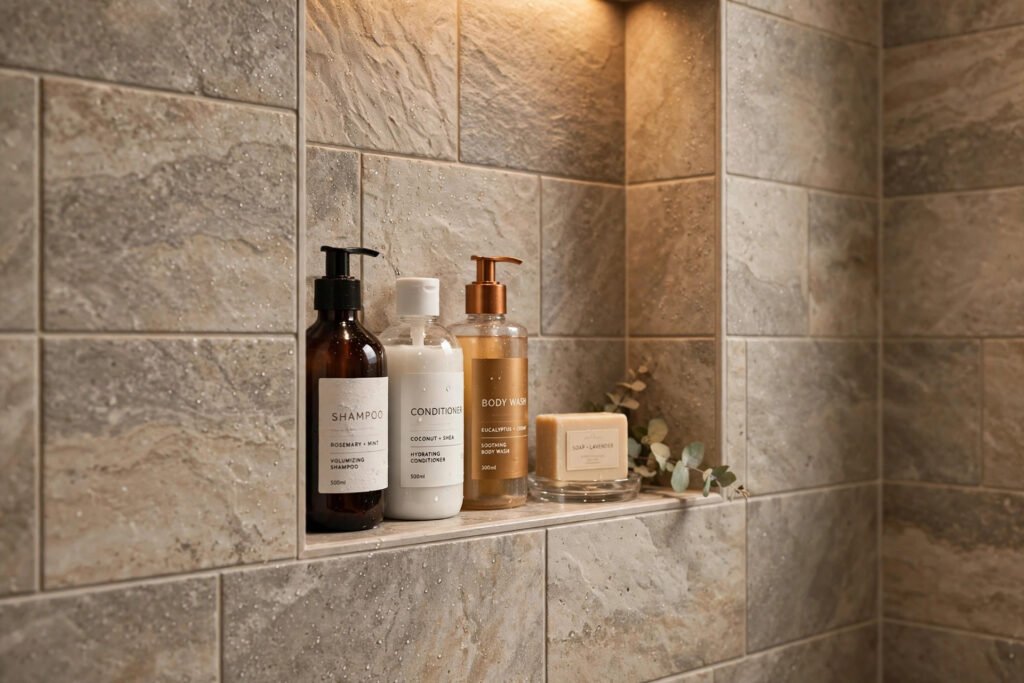
| Tile / stone | Excellent | The best conductor — the reason bathrooms are the classic application |
| Luxury vinyl plank (LVP) | Good | Check the manufacturer’s max temperature rating (usually ~27°C / 80°F) |
| Engineered hardwood | Good | More stable than solid wood over heat; follow the maker’s guidelines |
| Laminate | Fair | Works, but slower heat transfer; verify compatibility |
| Solid hardwood | Caution | Can dry, shrink, and gap; narrow boards and stable species only |
| Carpet | Poor | Insulates against the heat you just paid for |
New flooring over a heating system adds roughly $4–$15 per square foot depending on material — which is why the “with new flooring” column in every estimate looks so different from the heating-only number. See our flooring installation cost guide for 2026 BC pricing by material.
Operating Costs: What It Costs to Run
Installation gets the attention, but operating cost decides whether you love the system in year five:
- Electric bathroom floor: pennies per day on a timer — typically $10–$25 per month in the heating season for a single bathroom. Negligible in the scheme of a BC Hydro bill.
- Electric whole-house: this is where it hurts. Resistance heating a full home can easily double the heating portion of your electricity bill versus a heat pump or gas furnace.
- Hydronic with natural gas: among the cheapest ways to heat a home per unit of warmth, especially with a modern condensing boiler. The system’s slow, steady cycling is inherently efficient.
- Hydronic with heat pump: the premium combo — low operating cost and no combustion. Higher upfront for the heat pump, lowest long-term running cost.
Thermostats matter more than people expect. A programmable or smart thermostat that warms the bathroom floor before your alarm and idles it the rest of the day cuts operating cost dramatically versus a floor left on around the clock.
Retrofit vs New Build: Why Timing Decides the Price
The same radiant system can cost half as much or twice as much depending on when it goes in. This is the single biggest cost variable nobody puts in the headline number:
- New build or full gut renovation: the ideal scenario. Tubing or mats go onto an open subfloor, the electrician wires during rough-in, and there is no demolition. You pay the textbook per-square-foot rate.
- Planned remodel (flooring already being replaced): the sweet spot for most homeowners. The floor is coming up anyway, so the only added cost is the heating system itself plus the electrician’s time. A bathroom heated floor adds roughly $800–$1,500 to a remodel already in motion.
- Standalone retrofit: the expensive path. Demolition, floor build-up to accommodate the system, re-finishing, and working around existing walls can add 50–80% over new-build pricing. For hydronic especially, retrofitting into a finished home rarely makes financial sense.
The practical takeaway: if a bathroom, kitchen, or basement project is already on your list for the next year or two, decide on radiant heat now — not after the new tile is down. It is a “while you’re at it” upgrade in the truest sense, and bundling it is the difference between a $1,200 luxury and a $4,000 regret.
Frequently Asked Questions
How much does it cost to add heated floors to a bathroom?
Typically $600–$1,600 in 2026 including the electric heating system and new tile for a standard 40 sq ft bathroom. The heating components alone run $300–$700; the rest is tile, labour, and the dedicated electrical circuit. It is cheapest when bundled into a planned bathroom renovation.
Is radiant floor heating worth it in BC?
For bathrooms and basements, yes — the comfort payoff is large for the cost. For whole-house heating, hydronic radiant is excellent in new builds but rarely worth retrofitting into a finished home. BC’s relatively mild winters and clean electricity make electric bathroom floors a particularly easy yes.
Electric vs hydronic radiant heat — which is better?
Electric for single rooms, hydronic for whole houses. Electric costs $8–$15 per sq ft to install with higher running costs; hydronic costs $7–$17 per sq ft plus a boiler but runs cheaper. There is no universal winner — it depends entirely on the area you are heating.
Can you install radiant heating under existing floors?
Electric systems can sometimes go under a new floor laid over the old one, but hydronic almost always requires the floor to come up. In practice, radiant heat is a “while you’re at it” upgrade — plan it during a renovation when flooring is already being replaced, not as a standalone project.
Does radiant floor heating need maintenance?
Very little. Electric systems are essentially maintenance-free. Hydronic systems need the boiler serviced annually — the same as any boiler — and the tubing itself should last decades. There are no filters to change and no ducts to clean, which is a genuine long-term saving.
Will heated floors raise my electricity bill a lot?
A single bathroom floor on a timer adds roughly $10–$25 per month in heating season — barely noticeable. Whole-house electric radiant is a different story and can be very expensive to run. This is the single most misunderstood cost in radiant heating: installation cost and operating cost tell opposite stories for electric versus hydronic.
Thinking About Warm Floors? Time It With Your Renovation
Heated floors are at their most affordable when the flooring is already coming up — a bathroom remodel, a basement finishing project, or a kitchen refresh. As a standalone retrofit, the numbers rarely work; as part of planned work, a bathroom floor is one of the best comfort upgrades per dollar in all of home renovation.
If you are planning new flooring anywhere in your home, take a look at our flooring installation services — and read our basement flooring guide if the basement is on your project list, since cold slabs are where radiant heat earns its keep.