
Every winter in the Fraser Valley tells the same story. Rain settles in around October. The furnace starts cycling. By January you’re staring at a FortisBC or BC Hydro bill, wondering where all that heat went. In a lot of Abbotsford homes — the 1970s and 80s ranches in Clearbrook, the older stock around Matsqui — the answer’s simple. Out through the attic. The windows. The walls.
Energy upgrades are having a moment in BC. Rising utility rates are part of it. The bigger part? Rebates. Provincial programs have reshaped the math on big-ticket items — heat pumps especially. Trouble is, the rebate landscape has shifted a lot in the last two years. Half the advice floating around online is stale. So here’s the current picture. Which upgrades are worth it. What they cost, as 2026 planning ranges. And which rebates actually exist right now.
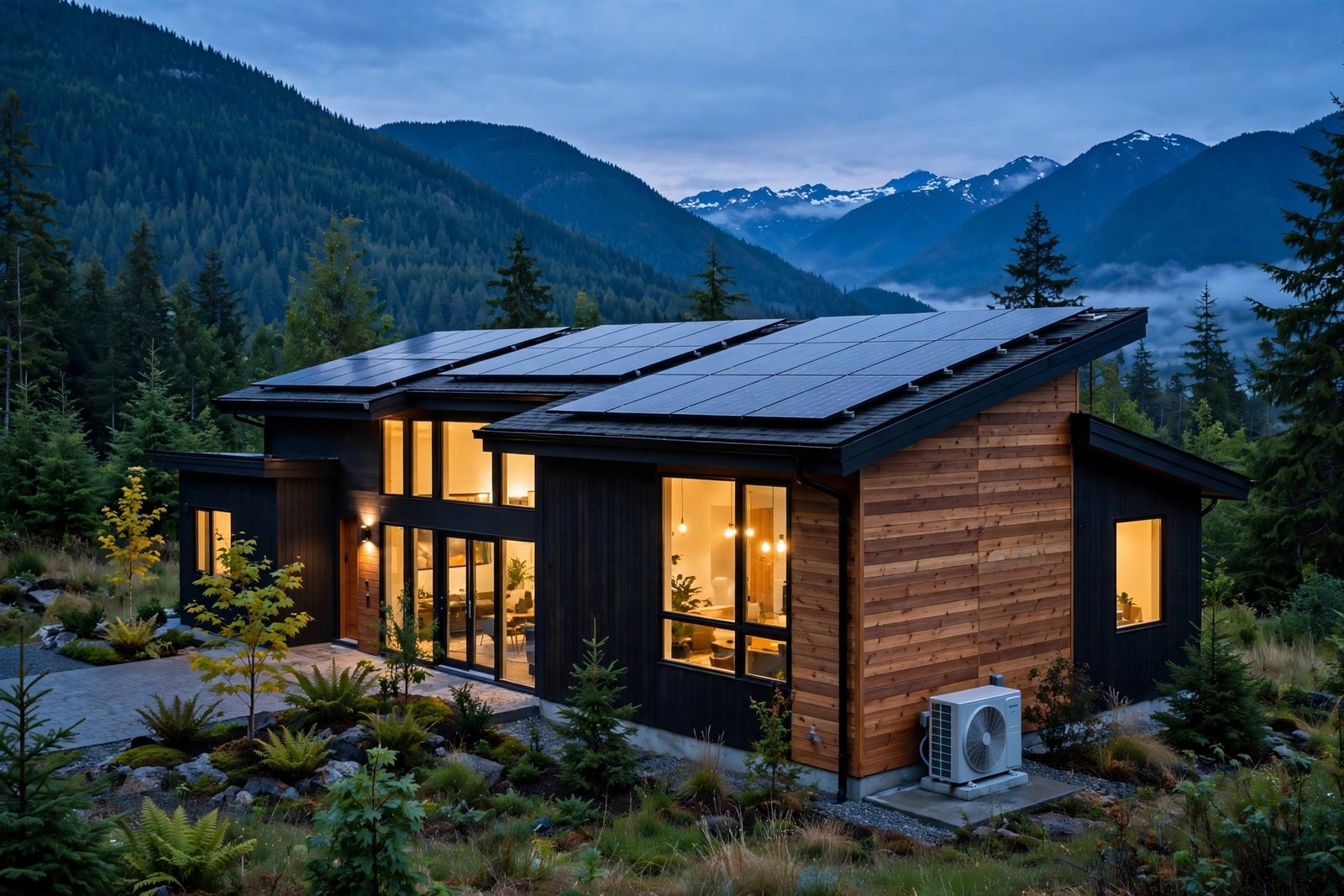
1. Heat Pumps: The Upgrade That Changed the Math
One upgrade beats everything else on this list for most BC homes. The heat pump. It doesn’t create heat — no burning gas, no glowing baseboards. It moves heat. Pulls it out of the outside air and pushes it indoors, and in mild weather you get roughly three units of heat back for every unit of electricity you put in. That ratio is why the technology fits the Lower Mainland so well. Winters here rarely plunge the way they do in the Interior. Cold-climate units just work.
There are two main setups. A ductless mini-split mounts heads on walls in key rooms and suits homes without ductwork — common in older Abbotsford ranches heated by baseboards. A central ducted heat pump goes the other route. It ties into the furnace ductwork you already own — whole house, heated through the vents that are already there.
2026 planning ranges, installed: ductless mini-split $8,000–$15,000. Central ducted $15,000–$25,000. What moves the number? Head count, mostly. Panel capacity too, and how much line-set routing the installer has to fight through. These are planning ranges, not quotes — get itemized quotes from a licensed contractor (our contractor checklist covers what to ask).
2. Insulation and Air Sealing: The Unsexy Winner
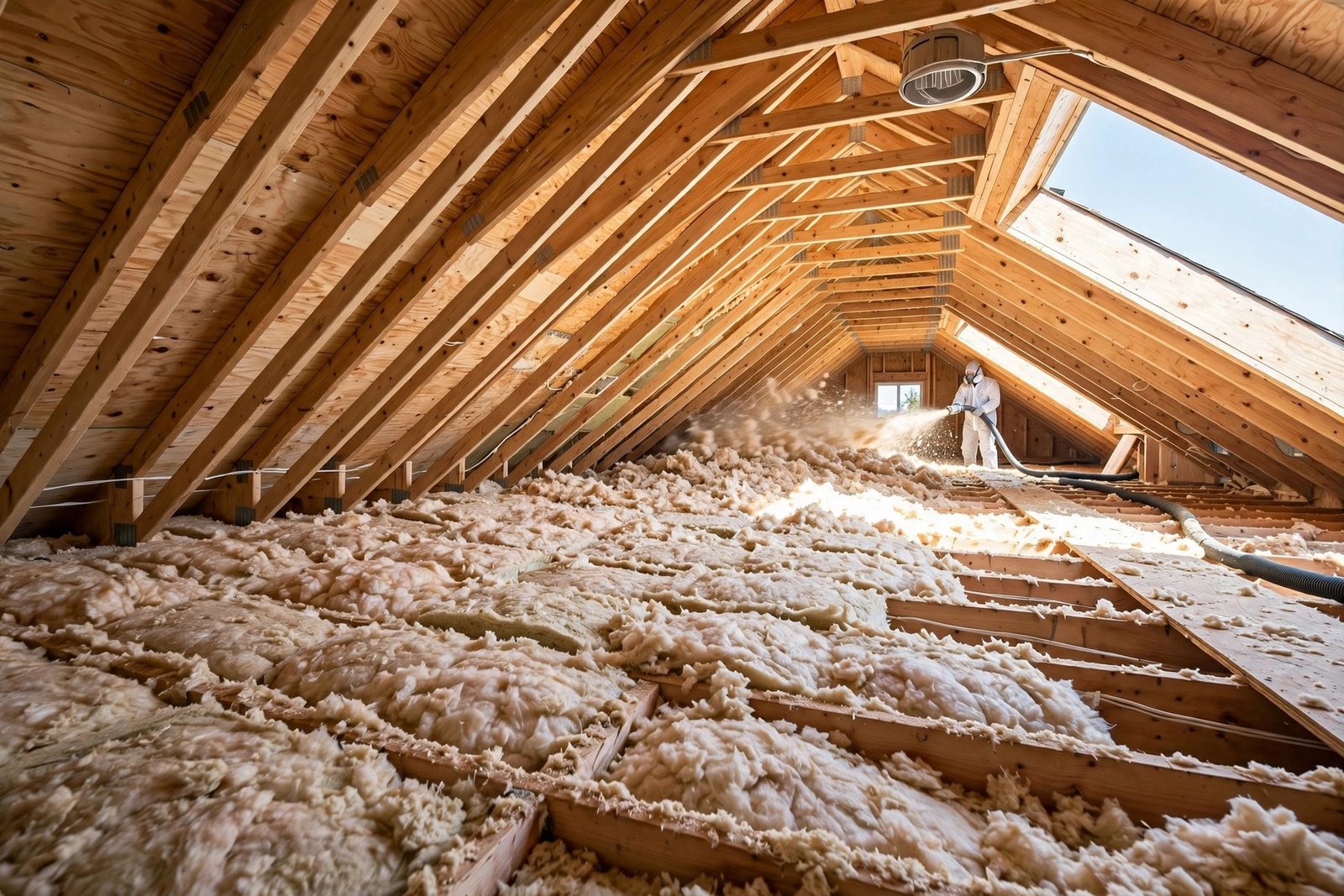
Nobody shows off new attic insulation at a dinner party. Fair enough. But dollar for dollar? It’s one of the best returns in home efficiency, full stop. Heat rises. And in older Fraser Valley homes the attic is usually under-insulated by modern standards — R-20 or less, where R-40+ is the current expectation. Air sealing matters just as much. Gaps around light fixtures. The attic hatch. Plumbing penetrations. Warm air pours straight out through all of them.
Start with a blower-door test — usually $300–$500 — it finds the leaks. After that the work itself is straightforward. Blown cellulose or fibreglass, topped up in the attic. The big bypasses sealed. Weatherstripping on the attic hatch.
2026 planning ranges: attic insulation top-up $2,000–$4,500 for a typical 1,200–1,500 sq ft attic. Air sealing package $800–$2,000. If your home still has vermiculite insulation, stop and get it tested for asbestos first — disturbing it without testing is a genuine health risk, and abatement changes the whole plan.
3. Windows and Doors: Comfort First, Payback Second
Let’s be honest about windows. On energy savings alone, they’re rarely the fastest payback. What they transform is comfort. Got original single-pane aluminum sliders? Still common in Clearbrook ranches. The rooms near them are cold in January — doesn’t matter what the thermostat says. New double- or triple-pane vinyl or fibreglass units fix that. Drafts gone. Condensation cut way down. Street noise quieter too, as a bonus.
2026 planning ranges, installed: $800–$1,500 per window for quality vinyl. Fibreglass or triple-pane runs $1,200–$2,000+. Doing the whole house? A full-house window replacement on a typical rancher runs $12,000–$25,000. Prioritize the worst offenders first — the big living room sliders and any window with failed seals (fog between the panes) — rather than doing the whole house at once if the budget is tight.
4. Smart Thermostats and Controls: The Cheap Win
Lowest cost on this list. Easiest to justify too. A smart thermostat learns your schedule — drops the temperature while you’re at work, warms the house back up before you get home. And with BC’s damp winters, that’s where the real savings sit. Not heating an empty house all day.
2026 planning ranges: thermostat $150–$300 for the unit. Installed $200–$400 if you hire an electrician. Check compatibility first, though. Homes with electric baseboards need a line-voltage smart thermostat — a different product entirely from the standard low-voltage models built for furnaces. And buying the wrong one? Most common mistake there is.
5. Heat Pump Water Heaters: The Overlooked Second Heat Pump
After space heating, water heating is typically the second-biggest energy load in a BC home. A heat pump water heater runs on the same principle as its space-heating cousin. Moving heat, not creating it. End result: roughly a third of the electricity a standard electric tank uses.
Placement is the catch. The unit needs a room with enough air volume — a garage works, an unfinished basement area works, a tiny closet does not. It also cools the surrounding air slightly. Dehumidifies it too. Bonus in a damp Fraser Valley basement. Drawback in an already-cold garage.
2026 planning ranges, installed: $3,500–$6,000, including electrical work. These have been eligible for CleanBC rebates, same as space heat pumps. Check current availability before you buy, though.
6. Rebates in 2026: What Actually Exists Right Now
This is where you need current information, because the landscape shifted. The federal Canada Greener Homes Grant stopped accepting new applications in 2024 — any blog post still promising it is out of date. As of 2026, the active programs for BC homeowners are:
- CleanBC Better Homes Energy Savings Program — the main provincial program, run through betterhomesbc.ca. Heat pump rebates here are income-tiered. The highest tiers cover a large share of eligible costs, up to program maximums. But amounts change. Eligibility rules change. Confirm on the official site before you budget around any number.
- BC Hydro Power Smart — BC Hydro electricity customers can stack this on top of CleanBC. It covers items like heat pump water heaters, electrical upgrades, that sort of thing.
Two rules trip people up. First: the work generally has to be installed by a registered program contractor. DIY installs don’t qualify. Second: rebate eligibility runs off your invoice date, not the day you apply. Get the contractor’s program registration confirmed in writing before work starts.
Bottom line on rebates: meaningful money is available, but treat every dollar figure you see online — including older versions of this article’s sources — as “check current availability.” Programs, amounts, and income thresholds move.
7. What Order Should You Do Them In?
Order matters. More than most people think. Get it wrong and you pay twice. Classic example: size a heat pump for a leaky house, insulate afterward, and now you’re stuck with oversized equipment.
| Priority | Upgrade | Why this order |
|---|---|---|
| 1st | Air sealing + attic insulation | Cheapest, shrinks every other system’s job |
| 2nd | Smart thermostat | Immediate savings while you plan bigger work |
| 3rd | Heat pump (space heating) | Sized correctly once the envelope is tight |
| 4th | Windows (worst ones first) | Comfort upgrade; do alongside other exterior work if possible |
| 5th | Heat pump water heater | Independent of the rest; do when the old tank dies |
One more thing. Touching structure, plumbing, or electrical in the renovation? Check whether you need a permit — before you start, not after. Our Abbotsford building permit guide walks through what triggers one locally.
The honest summary: insulation and air sealing first. Heat pump second. Everything else as budget allows. Stack whatever rebates you can confirm today — and don’t count a cent from programs that closed in 2024.
Frequently Asked Questions
Do heat pumps work in Abbotsford winters?
Yes — the Lower Mainland is well suited to them. Cold-climate units are rated to perform well below freezing. And Abbotsford’s winter design temperatures? Mild, compared to the BC Interior. Sizing is the key, and it has to come from a qualified installer. Undersized, the unit leans on expensive backup heat. Oversized, it short-cycles. Either way you lose. So get a proper heat-load calculation. Not a rule-of-thumb estimate.
Are CleanBC rebates still available in 2026?
Yes, but verify the current details before you count on a number. The CleanBC Better Homes Energy Savings Program is still the main provincial program — income-tiered amounts for heat pumps and related upgrades, with BC Hydro Power Smart rebates stacking on top. The federal Greener Homes Grant? Closed to new applicants in 2024. So check betterhomesbc.ca for the current requirements and amounts. They move.
What is the cheapest energy upgrade with the fastest payback?
Air sealing plus a smart thermostat. Seal the big attic bypasses, add the thermostat — typically under $2,500 combined, and it starts saving from day one. Attic insulation top-ups come next. There’s a bonus to the envelope-first order, too: it lets you install a smaller, cheaper heat pump later.
Will energy upgrades increase my home’s value?
Efficient systems are a selling feature, though rarely dollar-for-dollar. Buyers notice. New windows. A modern heat pump. Low utility bills — that one lands harder every year energy costs climb. For the broader picture on which renovations add the most resale value locally, see our breakdown of renovations that add the most value in the Fraser Valley.
Can I install a heat pump myself to save money?
Not if you want rebates — and not legally for the electrical and refrigerant work. CleanBC rebates require a registered program contractor to do the install. No way around that. The refrigerant handling needs certification too, and the electrical connection needs a permit and an inspection. DIY the parts you’re actually qualified for — clearing access, painting after. The heat pump itself? Leave it to the pros.
Should I replace my gas furnace with a heat pump or go dual-fuel?
It depends on your ductwork, panel capacity, and how cold your specific property gets. Full electric suits most Lower Mainland homes. Dual-fuel — heat pump plus gas backup — can make sense for larger homes, or properties sitting in colder pockets near the mountains. Decide it with a proper assessment from a registered contractor. Not a sales pitch. And avoid the classic home renovation mistakes like signing the first quote you get.
Planning an Energy Retrofit? Start With the Envelope
The most cost-effective path is almost always the same. Seal and insulate first. Right-size the heat pump second. Windows and controls layer in as budget allows. And confirm today’s rebate amounts on the official program sites before you budget — then get everything in itemized writing.
If your upgrade plans are part of a bigger renovation — a basement finishing project, a kitchen overhaul, or a full-home refresh — look at our renovation services to see how energy improvements can be folded into the work rather than done as expensive one-offs later.
Rebate programs and amounts change — verify current availability on the official program websites before making decisions.